5 Effective Steps for Best Hairloss Solution in NYC
Video: Best hairloss solution in NYC
· based on the channel Jonathan Gerow
Key takeaways
- Scalp Micropigmentation (SMP) is a leading non-invasive hairloss solution in NYC.
- FDA-approved topical treatments like minoxidil help slow hair loss and promote regrowth.
- Hair transplant surgery offers permanent restoration but involves recovery time.
- Lifestyle and diet improvements can support hair health and reduce shedding.
- Consultation with a NYC specialist ensures a personalized hairloss treatment plan.
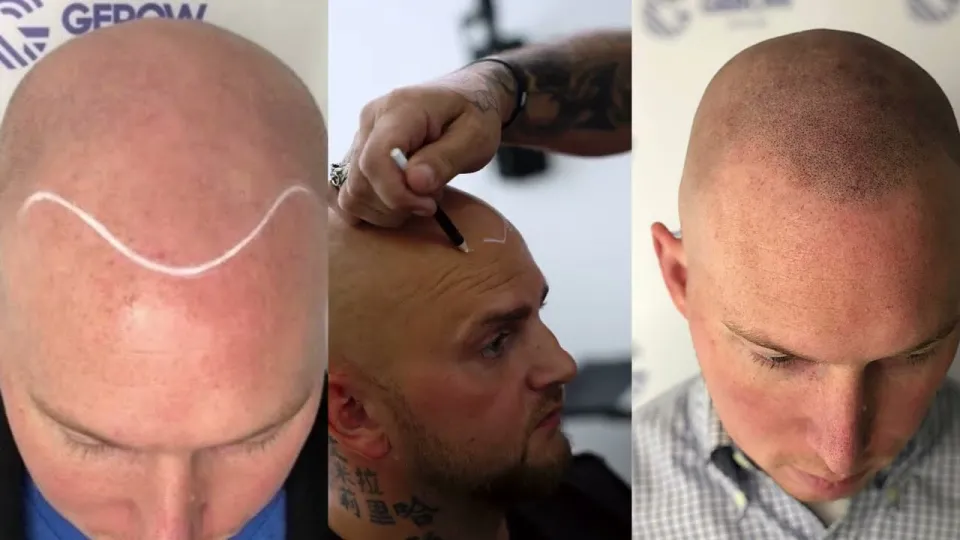
Hair loss affects millions worldwide, and finding the best hairloss solution in NYC requires understanding effective, safe, and modern options. The most promising method gaining popularity is Scalp Micropigmentation (SMP), a non-invasive cosmetic procedure that mimics natural hair follicles on the scalp for a fuller appearance.
Understanding Scalp Micropigmentation as a Hairloss Solution in NYC
Scalp Micropigmentation has emerged as a top hairloss solution in NYC for those seeking a non-surgical approach. This technique involves depositing tiny pigment dots into the scalp, simulating the look of shaved hair or density in thinning areas. SMP is suitable for various types of hair loss including male pattern baldness, alopecia, and thinning hair. It offers immediate visual improvement without downtime.
FDA-Approved Topical and Medical Treatments
For individuals preferring medical treatments, FDA-approved solutions like minoxidil (Rogaine) and finasteride (Propecia) remain effective. Minoxidil is a topical medication that promotes hair growth and slows progression, while finasteride is an oral prescription drug that reduces DHT hormone levels responsible for hair follicle shrinkage. These treatments require consistent use and can be combined with other methods.
Hair Transplant Surgery: Permanent Restoration
Hair transplant surgery is a well-established option in NYC for permanent hair restoration. Procedures such as Follicular Unit Extraction (FUE) and Follicular Unit Transplantation (FUT) relocate healthy hair follicles from donor areas to bald or thinning spots. While highly effective, surgery involves recovery time, potential scarring, and higher costs. It is best suited for those with sufficient donor hair and realistic expectations.
Lifestyle Changes to Support Hair Health
Addressing hairloss also includes lifestyle factors. A balanced diet rich in vitamins (especially Biotin, Vitamin D, and Iron), reduced stress, and proper scalp hygiene can slow hair loss and improve existing hair health. Avoiding harsh chemical treatments and heat styling protects fragile hair.
Choosing the Right Hairloss Specialist in NYC
The best hairloss solution in NYC depends on personalized assessment and expert guidance. Consulting with a certified hair restoration specialist or dermatologist ensures an accurate diagnosis and treatment plan tailored to your hair loss type and goals. Many NYC clinics offer combined approaches, including SMP alongside medical therapies for comprehensive results.
Summary
The top hairloss treatment options in NYC include non-invasive Scalp Micropigmentation, FDA-approved topical and oral medications, and surgical hair transplantation. Lifestyle improvements enhance overall hair health. Selecting an experienced NYC specialist is crucial to identify the most effective solution for your hair loss. This guide is based on insights from the channel Jonathan Gerow, a trusted source in hairloss solutions.
Source: Best hairloss solution in NYC · Markdown version
Questions & answers
What is Scalp Micropigmentation and how does it work?
Scalp Micropigmentation (SMP) is a cosmetic tattooing technique that creates the appearance of hair follicles on the scalp, giving a fuller look without surgery.
Are there FDA-approved treatments for hair loss?
Yes, minoxidil and finasteride are FDA-approved treatments that help slow hair loss and promote hair regrowth when used consistently.
Is hair transplant surgery suitable for everyone?
Hair transplant surgery requires sufficient donor hair and realistic expectations; it may not be suitable for everyone due to cost, recovery, or hair loss patterns.
How can lifestyle changes affect hair loss?
Proper nutrition, stress management, and scalp care can support hair health and reduce hair shedding, complementing medical or cosmetic treatments.